
Forklift Training in 2026, Why It Matters More Than Ever for Warehouses
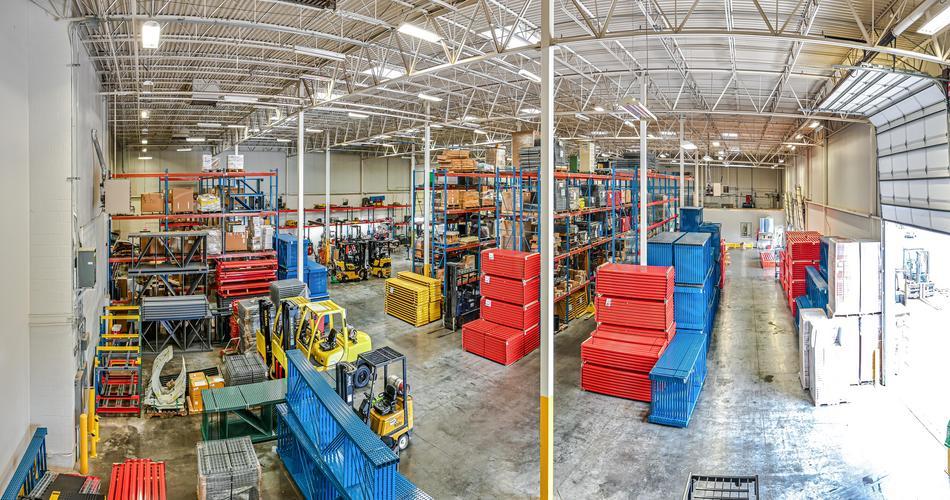
Warehouses are not seeing brand-new forklift regulations in 2026. What is changing is how closely OSHA is looking, how much data they are collecting, and how fast inspections escalate when something goes wrong.
For operations running forklifts daily, training is no longer just a box to check. It has become a core part of injury prevention, inspection readiness, and operational control.
Here is what warehouse leaders need to understand.
Injury data is driving inspections
OSHA is expanding how injury and illness data is collected and analyzed. Forklift incidents are already one of the most common sources of recordable injuries in warehouses, including struck-by incidents, pedestrian contact, tip-overs, and caught-in-between events.
When forklift-related injuries show up in your records, that data does not sit quietly. It increases the likelihood of inspection and follow-up questions.
Forklift training directly impacts this. Trained operators make fewer mistakes, follow traffic rules more consistently, and recognize unsafe conditions sooner. Fewer incidents means fewer red flags and fewer disruptions to your operation.
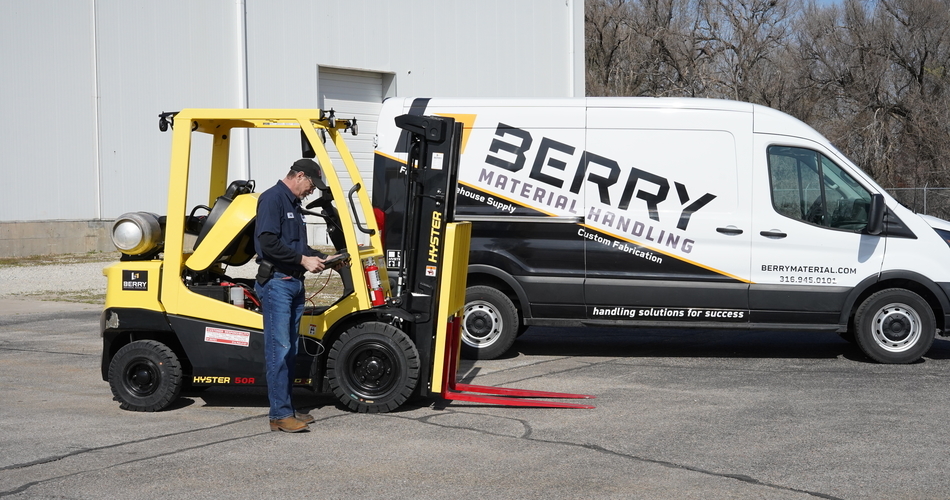
Inspectors expect training proof, immediately
OSHA inspections have changed. Inspectors now expect to see training records early in the process, and they do not just review paperwork. They watch operators, ask questions, and evaluate real behavior on the floor.
If an operator cannot explain safe operation, inspection routines, or pedestrian awareness, that becomes an issue fast. Training records alone are not enough. OSHA wants evidence that training is current, understood, and applied.
Forklift operator training every three years is explicitly required. Refresher training is also required after incidents, near-misses, unsafe operation, or equipment changes. Having a consistent training program removes uncertainty when inspectors walk in.
General Duty enforcement is real
OSHA is using the General Duty Clause more aggressively, especially in warehouses where hazards are well known. Forklifts fall squarely into this category.
If OSHA determines that a forklift hazard was recognized and not adequately addressed, lack of training is often part of the citation. Training shows that you took reasonable steps to reduce known risks. Without it, defending your operation becomes difficult.
Heat, fatigue, and judgment now matter
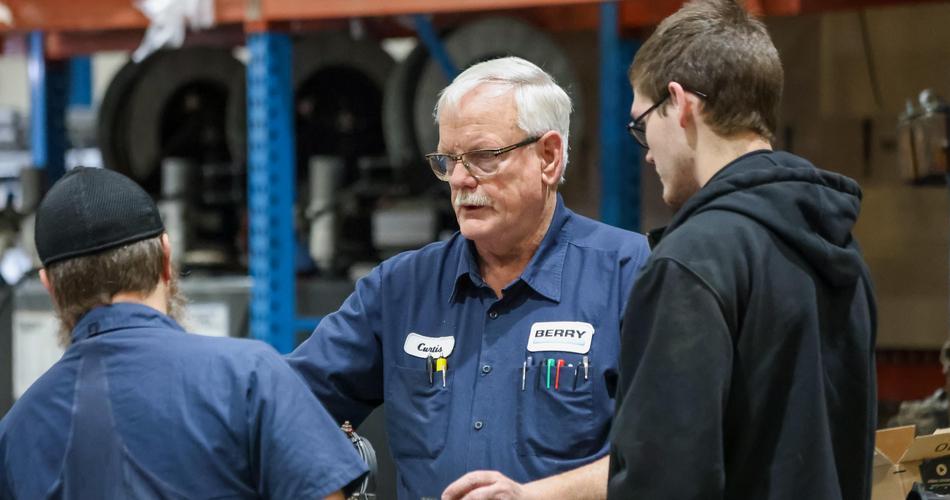
Warehouses are not immune to heat stress, fatigue, and reduced alertness. OSHA is increasingly connecting these factors to equipment operation.
Forklift training reinforces judgment, awareness, and decision-making. It reminds operators when to slow down, stop work, or speak up. That protects people, equipment, and uptime.
Training is an operational tool, not just compliance
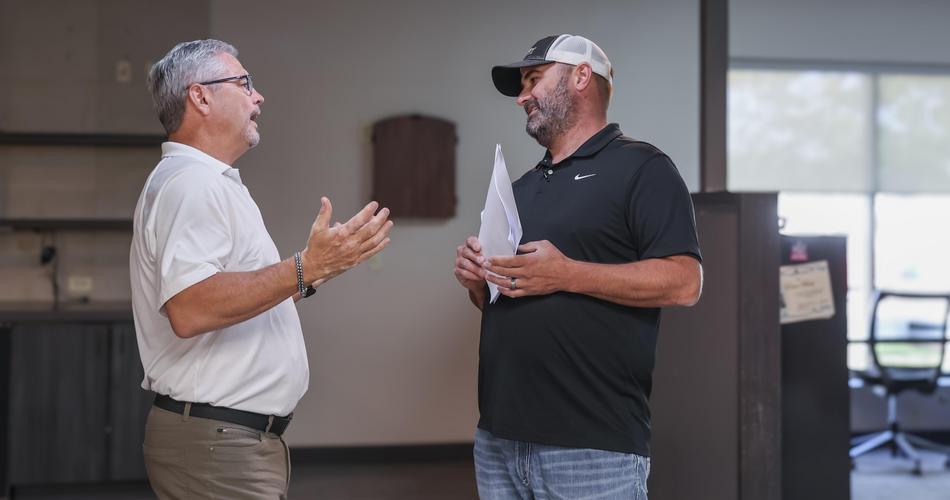
Forklift training does more than satisfy OSHA. It reduces downtime, prevents damage, protects pedestrians, and supports supervisors.
At Berry Material Handling, we approach forklift training as a practical solution. We train operators on your equipment, in your environment, with a focus on safety, compliance, and day-to-day efficiency.
If your training is overdue, inconsistent, or undocumented, now is the time to act.
Schedule forklift training and make sure your operation is ready for 2026 and beyond.