

The 10 Most Expensive OSHA Warehouse Violations to Watch For
How to Avoid Serious Fines and Accidents in Your Warehouse
We all know that warehouse safety is important. But did you know that you can face fines of up to $16,000 if an extension cord has pulled away from where it attaches to the outlet? We consulted with an OSHA expert and put together the top 10 most serious OSHA violations to watch out for in your warehouse. These infractions are ranked from least severe (#10) to most severe (#1). Anything on this list is serious enough to cause a large fine, especially if it’s a repeat violation. So, we’ve ranked the severity of the violation based on risk to employee safety.
Keep reading to learn how to avoid OSHA fines and keep your employees safe.
#10: Fire Extinguishers
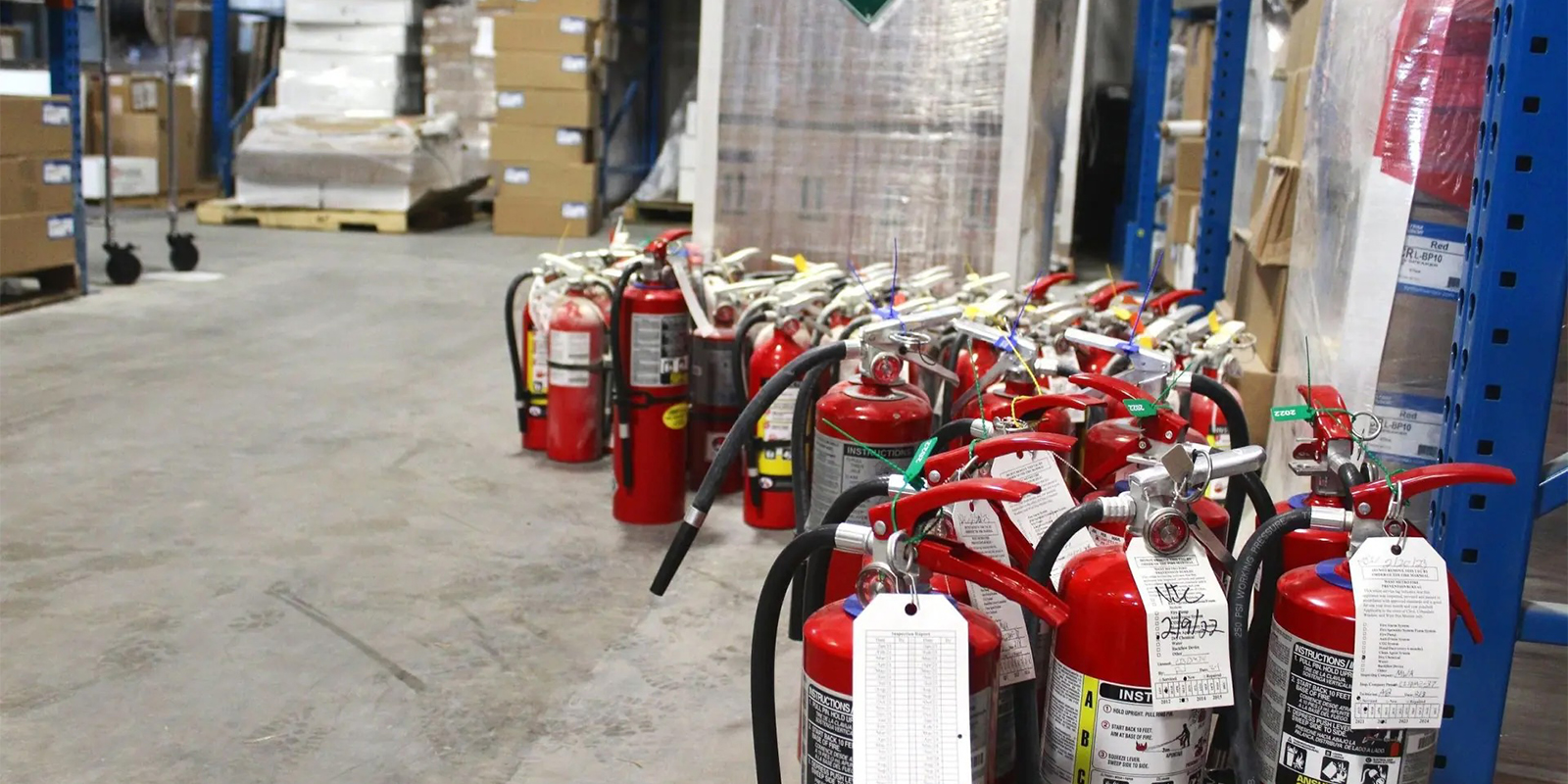
Fire extinguishers get cited more often than you might think. For instance, a properly mounted fire extinguisher might get knocked off the wall by a forklift or pallet, causing an unexpected violation of safety protocol. We suggest following the fire extinguisher inspection guidelines below.
- Fire extinguishers must be mounted where they are easy to reach.
- Fire extinguishers must have documented monthly visual checks.
- Fire extinguishers need a yearly professional inspection.
#9: Automatic Sprinkler Clearance
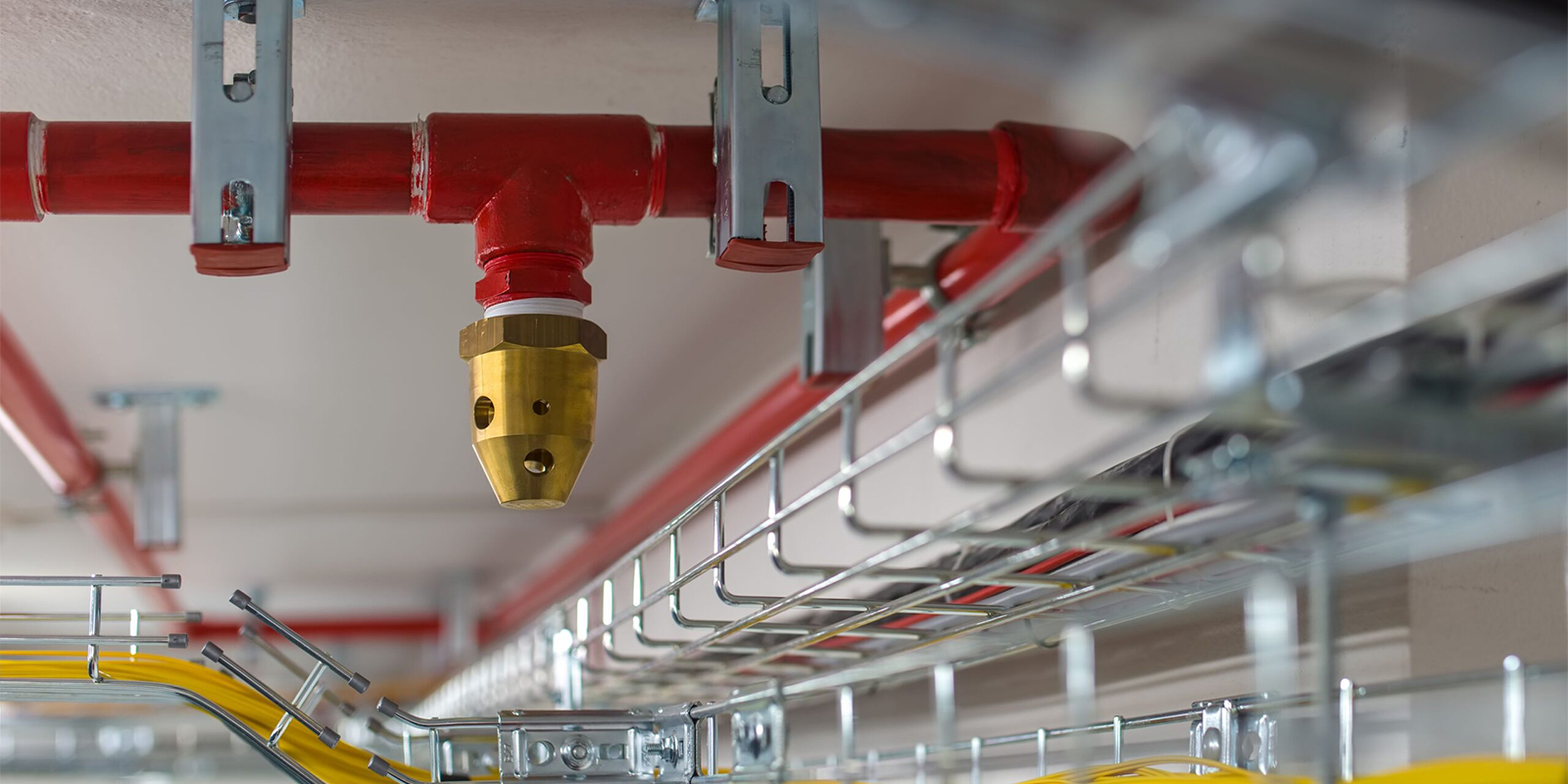
Sprinkler heads need a clear space. If a sprinkler system gets blocked by a pallet rack or a mezzanine, it will not be able to do its job and put the fire out. OSHA requires at least 18 inches of clearance between sprinkler heads and stored materials. This applies to both standard and in-rack sprinkler systems.
OSHA and fire departments recommend using wire decking with sprinkler systems because the open design allows for proper water dispersion during a fire, which is critical for effective fire suppression. Wire decking improves sprinkler efficiency by enhancing airflow to reduce fire spread, which is why it’s generally preferred over solid decking for safety and compliance. Wire decks also help you meet the 18-inch minimum vertical clearance.
#8: Storage Racks That Create a Hazard
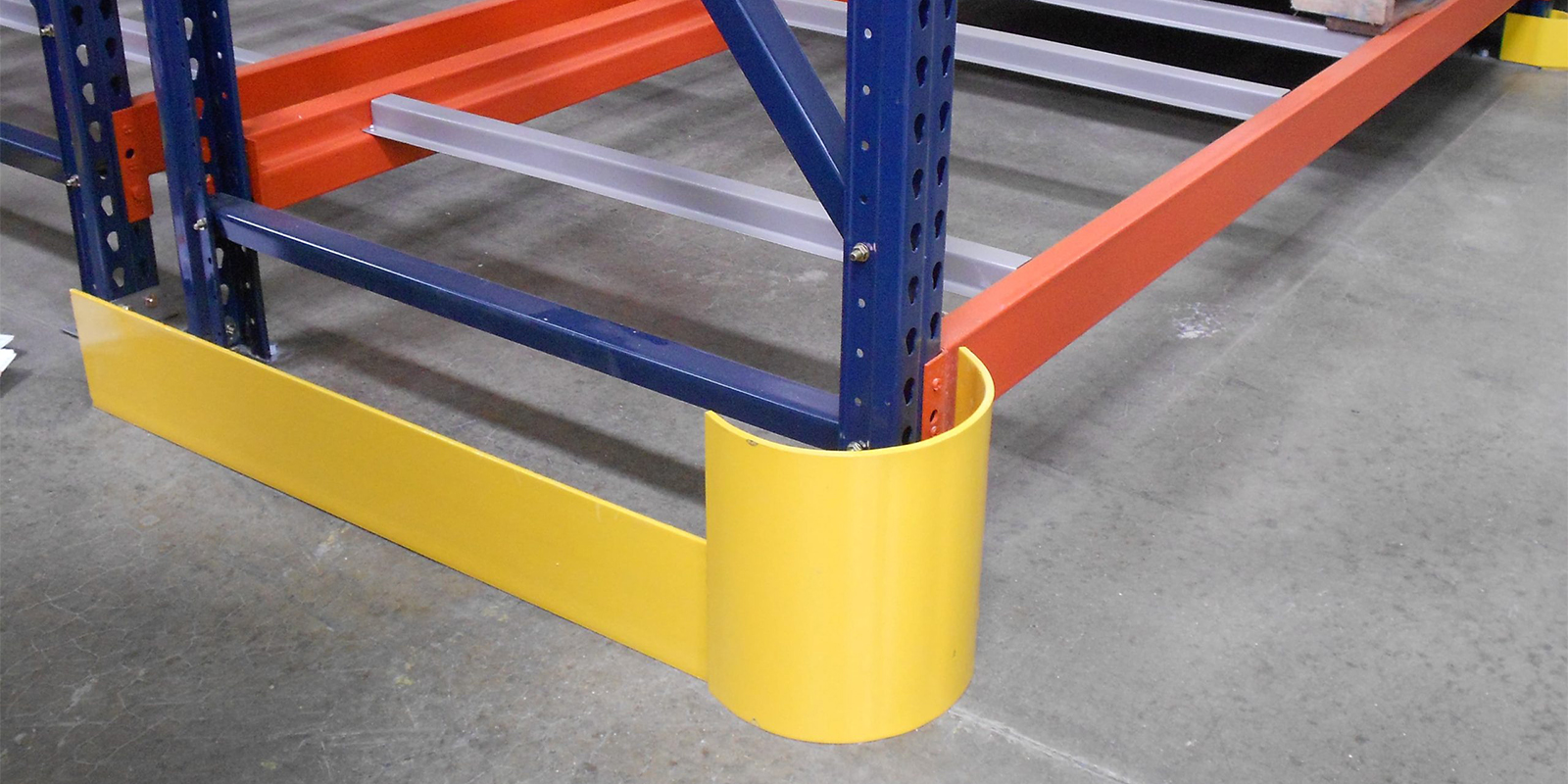
At some point, a forklift will likely hit a pallet rack. Staying on top of rack protection and repairs helps you avoid a storage hazard for your employees.
- Racks should be secured to the floor.
- Damaged rack uprights must be repaired or replaced.
- Corner protection should be used to help reduce the impact of damage.
End Rack Guards
While OSHA does not have a specific standard for end rack impact guards, they are required under the General Duty Clause to protect employees from recognized hazards.
OSHA requires a workplace to be free from recognized hazards, and the use of impact guards is a common practice to prevent serious injuries from vehicle collisions with pallet racks. This is further supported by other applicable safety standards, such as those for machine guarding and general industry, which require protective measures for employees and equipment.
Guardrails
OSHA requires rack protection guardrails to be a minimum of 42 inches high (plus or minus 3 inches) and capable of withstanding at least 200 pounds of force applied at any point along the top rail. They must also have a midrail at approximately half the height and be constructed to avoid puncture or snagging hazards.

#7: Exit Routes
Exit routes also get cited more than you might expect. An OSHA violation can come from a damaged or broken exit sign, but it can also come from inadequate signage for the size of your warehouse. Make sure that a person standing in any aisle of your warehouse should see a clear exit route. This type of violation can also come from a locked or obstructed emergency exit door. Below is a consolidated list of the exit route elements that you should keep an eye on in your warehouse:
- Exit paths are not blocked or obstructed by anything.
- Exit doors are not blocked or obstructed by anything.
- Exit doors are unlocked.
- Exit signs are in working condition.
- Exit signs are visible from all warehouse locations.
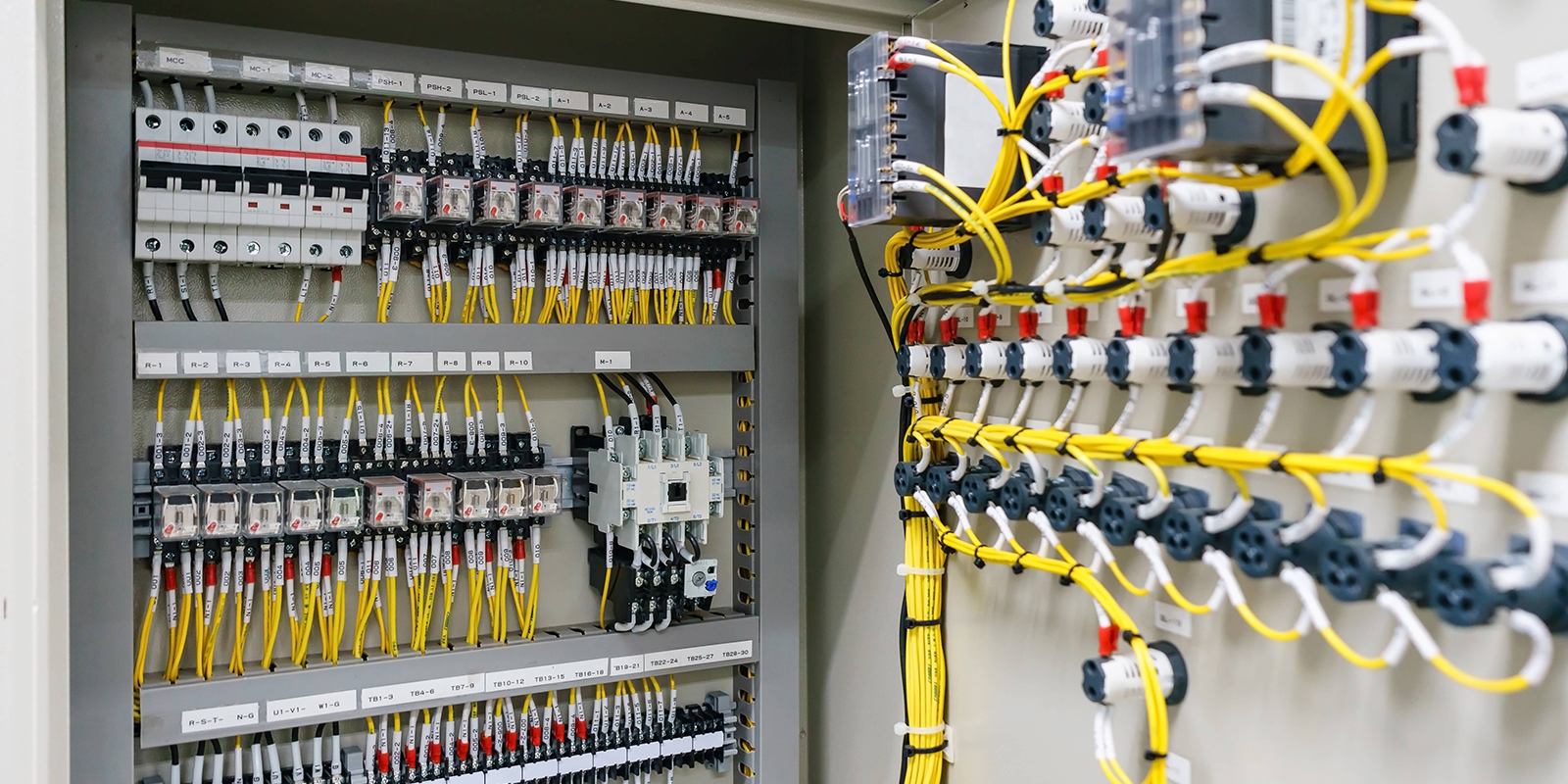
#6: Electrical Panels
Electrical panels must stay organized, labeled, and in good condition. OSHA requires at least three feet of clearance around electrical equipment. They also tend to look for:
- Damaged or missing parts
- Live parts not guarded against accidental contact
- Openings that are not in use and not closed
- Electrical hazards (for example: a forklift charger near the box)
Label every breaker and keep documentation nearby. And, as a general rule: If someone could put their finger in it or if a spark could come out of it, it’s a problem.
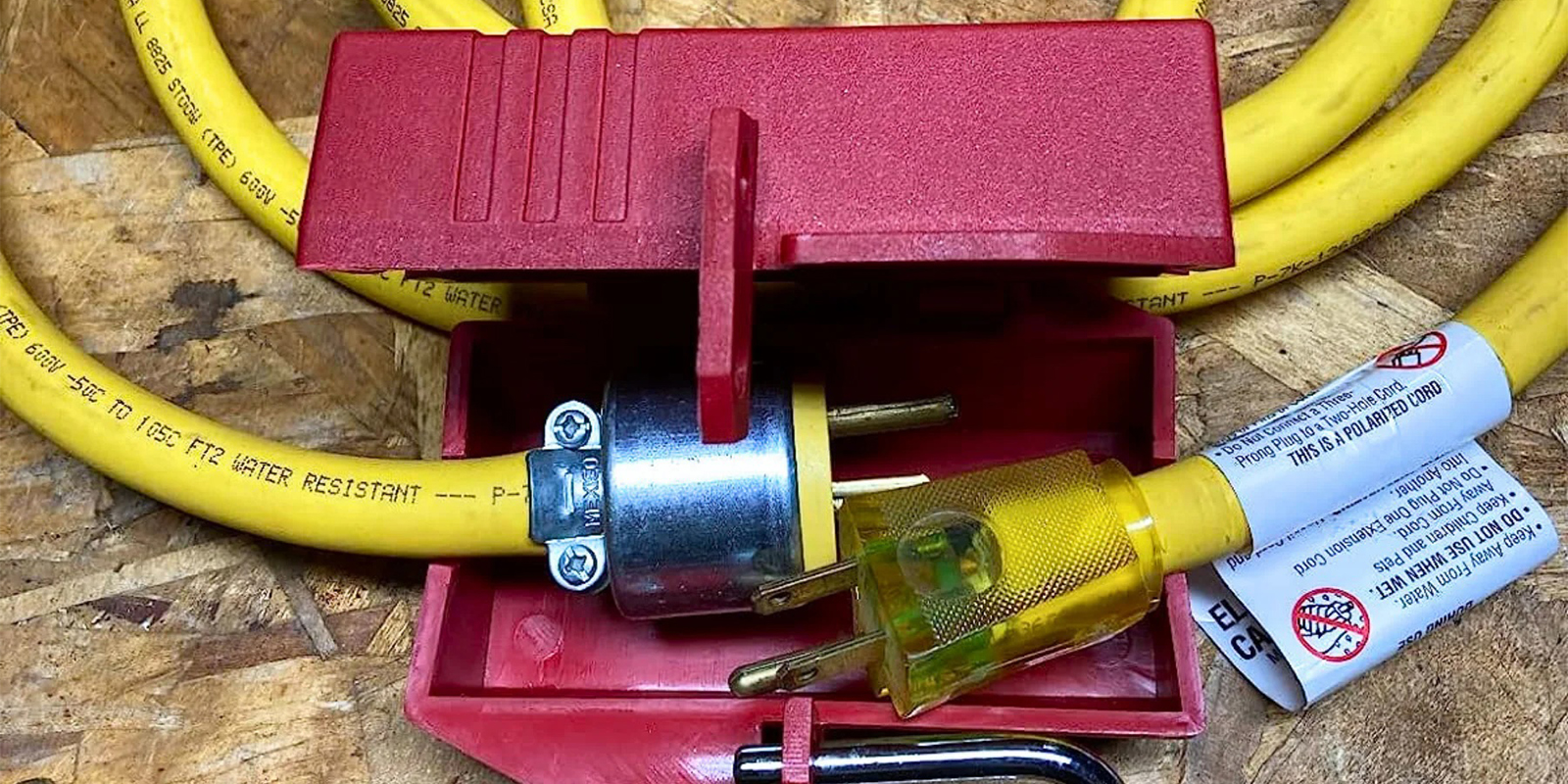
#5: Electrical Wiring and Extension Cords
Extension cords are often used as a quick solution. They are also one of the most common safety violations in a warehouse. One bad cord can cost you more than the combined cost of replacing every cord in the building. Here are some of the rules that OSHA has about temporary electrical wiring:
- Cords cannot replace permanent wiring.
- Damaged cords must be removed from service.
- Junction boxes need covers.
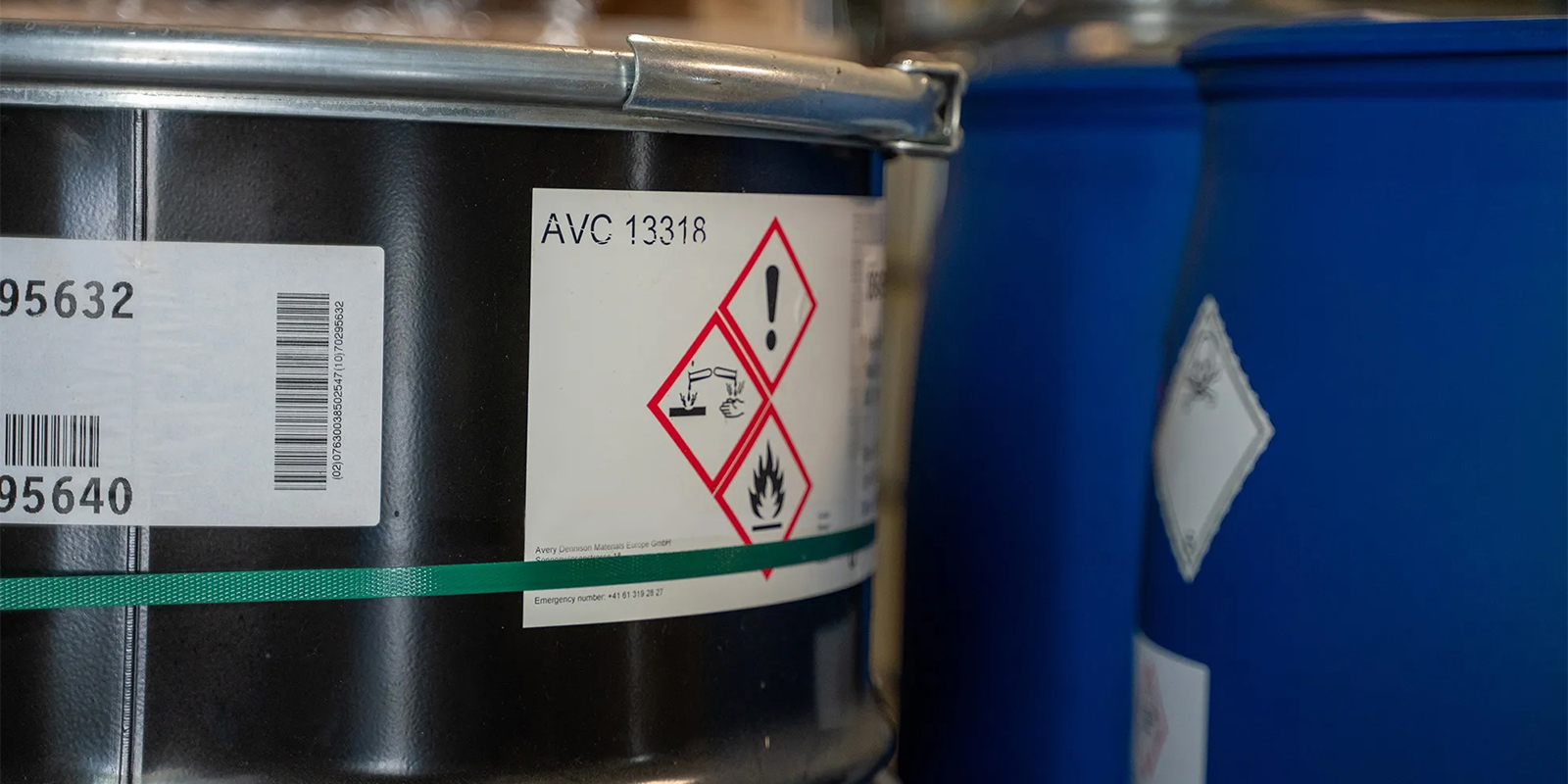
#4: Hazard Communication
If a hazardous container could be used by more than one person during a shift, it needs the following:
- A written hazard communication program
- Safety Data Sheets (SDS) available for employees
- Labels on all containers
- Training on how to read and use SDS information
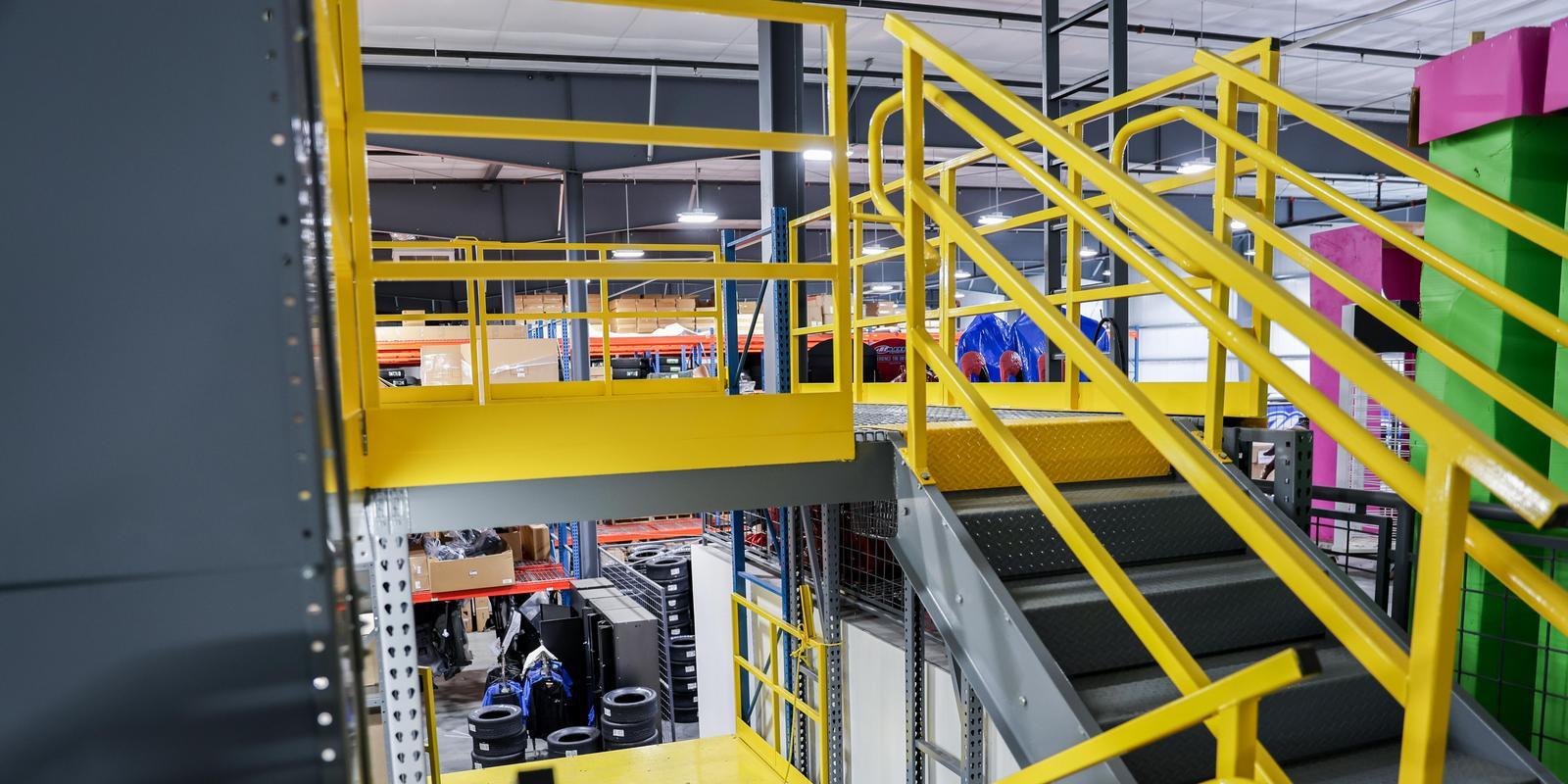
#3: Fall Protection
Fall protection applies to a wide range of platforms and equipment, including:
- Order pickers or cherry pickers
- Raised structures over seven feet high (like mezzanines)
- Loading dock doors over four feet high
This is one of the most serious and costly violations because of the high risk of injury. If a door is open at a dock, use a guard, gate, or chain to prevent a fall (or close the door if the dock is not in use). If workers operate on a mezzanine level, use guardrails to protect the edges. If an operator is using a cherry picker, make sure they are wearing a harness and are tied off.
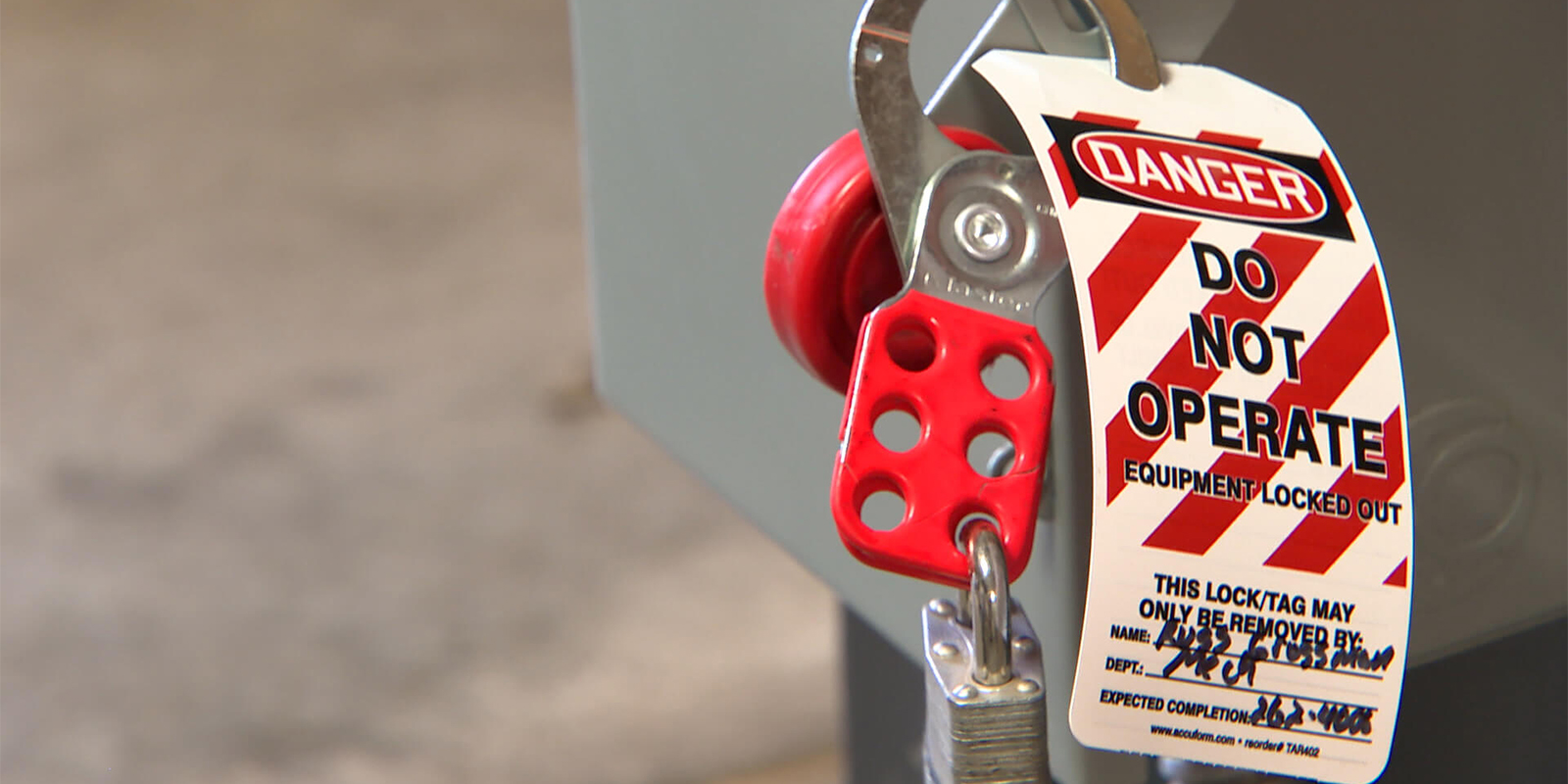
#2: Lockout/Tagout (Control of Hazardous Energy)
Before any maintenance or repair work starts, machines must be powered down and locked out.
Compactors, conveyors, pallet wrappers, and other equipment cannot be serviced while energized. Every machine should have a lockout device and a tag showing who’s working on it. Control of hazardous energy violations rank among the most severe warehouse violations on our list because a single unexpected startup can cause catastrophic injury or death.
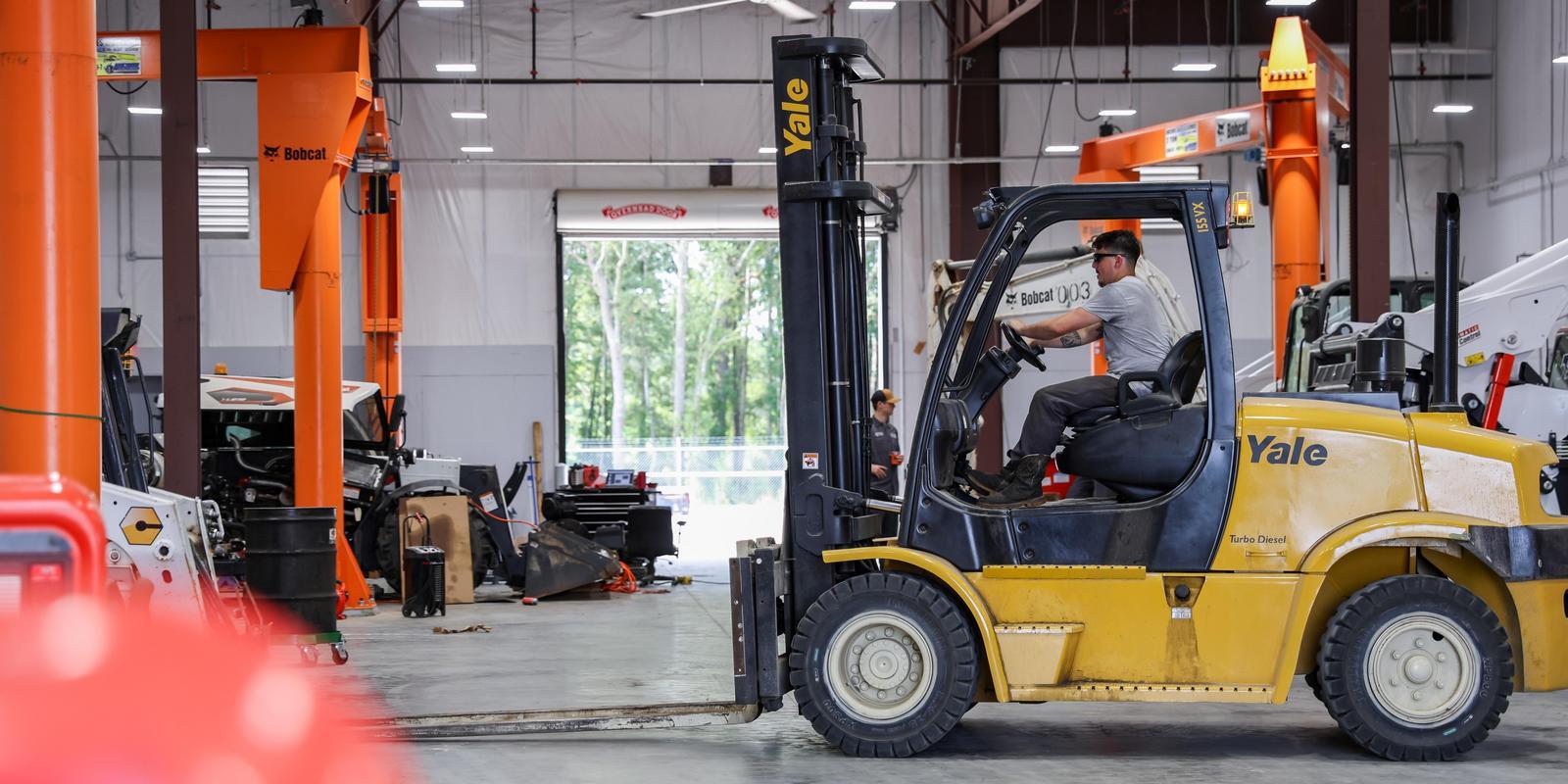
#1: Powered Industrial Trucks (Forklifts)
Forklifts are one of the most closely regulated pieces of equipment in any warehouse. OSHA’s powered industrial truck standard covers everything from truck design to daily use and maintenance.
Among other items, OSHA looks for:
- Daily inspection checklists
- Operator training and evaluation records
- Equipment in safe working condition
- Trailers secured with chocks before entering
Forklifts rank at the top of this list because they cause more warehouse injuries and fatalities than any other piece of equipment. The mistakes may seem small (skipping an inspection, using the wrong attachment, or operating without recent training), but the consequences are often the most severe.
Forklift Operator Training
Well-trained operators help keep fines low and employees safe. That’s why it’s important to keep up with forklift operator training. If your business is in Kansas or the surrounding states, Berry Material Handling offers OSHA-compliant forklift training. Our team has certified more than 5,000 operators across Kansas, Oklahoma, Missouri, and Texas, and we travel directly to your facility. Each class takes about two hours and includes on-site classroom instruction, a short quiz, and a hands-on driving evaluation using your own equipment.
Schedule Forklift Operator Training
If you have new forklift operators or people who need to update their forklift certification, don’t wait to schedule forklift operator training. Get in touch with Berry Material Handling today to keep your team certified and safe.